The Point
Open-water hub
Northwest peninsula
The Point
Open-water hub
A regional shoreline at the city’s edge
By its name, Cedar Lake Point Beach was once understood simply as a beach—a destination at the end of the road. People came to swim, launch a kayak, meet friends, and head home.
Today, the experience is broader.
The short walk from Cedar Lake Parkway to the water—and the journey around the point along its shoreline road—are part of the destination itself.
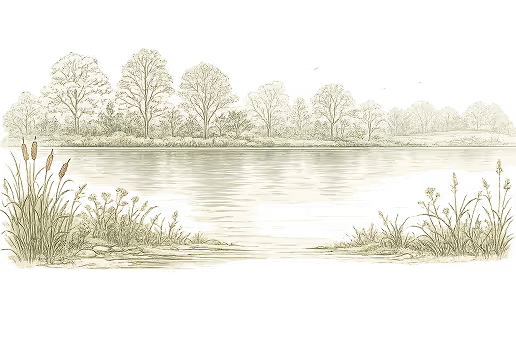
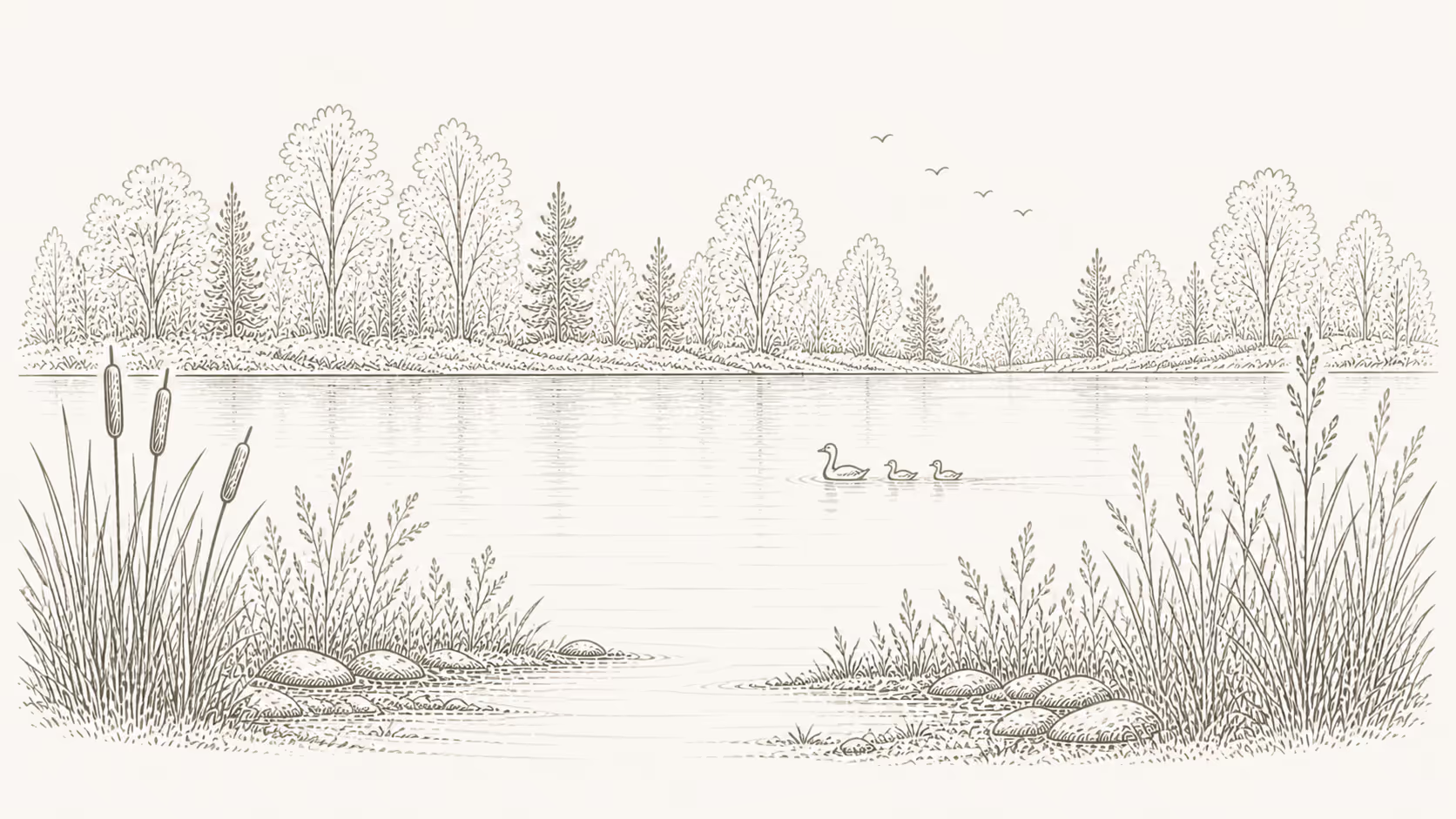
Extending into the northwest corner of Cedar Lake within Cedar Lake Park, the site offers water on three sides and open views across the lake to the downtown skyline. A path along the interior ridge leads to a quiet high point above the shoreline—once hidden, now reopened. With brush cleared and sightlines restored, light reaches the ground and movement through the woods feels open and welcoming.
Because it sits at the city’s western edge, Cedar Lake Point Beach functions as a regional gathering place. Visitors arrive not only from nearby neighborhoods, but from communities north and west of Minneapolis. On warm days, the beach reflects the diversity of the metro area—families, youth groups, longtime regulars, and first-time visitors sharing the same shoreline.
It is also one of the lake’s most active water hubs. Open water swimming draws individuals and organized groups throughout the season. Youth programs bike in along the regional trail, launch kayaks, paddle for a few hours, share a snack, and ride back out. Kayaking lessons and paddle board classes are common, alongside families launching their own watercraft for an afternoon on the lake.
At the same time, Cedar Lake Point Beach remains the least improved of the lake’s beaches. Much of the gathering area is clay and sparse turf rather than resilient grass. Edges feel worn. The shoreline road—widely used by walkers—reads more like a functional service drive than a welcoming path. It is broad and exposed, practical but not yet beautiful.
Steady volunteer stewardship over the past several years has reshaped the interior landscape. Invasive buckthorn once dominated the understory. Through sustained removal and debris cleanup, circulation has improved and the woods have become safer and more inviting to a broader range of visitors. Small pockets of locally planted trees and shrubs are beginning to establish, adding diversity and resilience. Dense stands of invasive white mulberry remain and are a priority for continued restoration and future native plantings.
Visitors often remark on how much the area has recently changed. The transformation has expanded the beach’s identity—from a single-purpose destination to a landscape that welcomes exploration, gathering, and return. Continued attention to safe arrival at the parkway crossing, clearer pedestrian and bicycle access, enhancement of the shoreline road, and a more durable beach landscape will help ensure that this well-loved regional shoreline feels as cared for as it is used.