
Cedar Lake Park
Whether you are new to the area or a longtime visitor, welcome to Cedar Lake Park. The park offers space to breathe, step away from the nearby city, and reconnect — with nature and with one another.
This website provides orientation to the whole park — in both time and place — and to the experience of being here.
A landscape shaped through thousands of years.
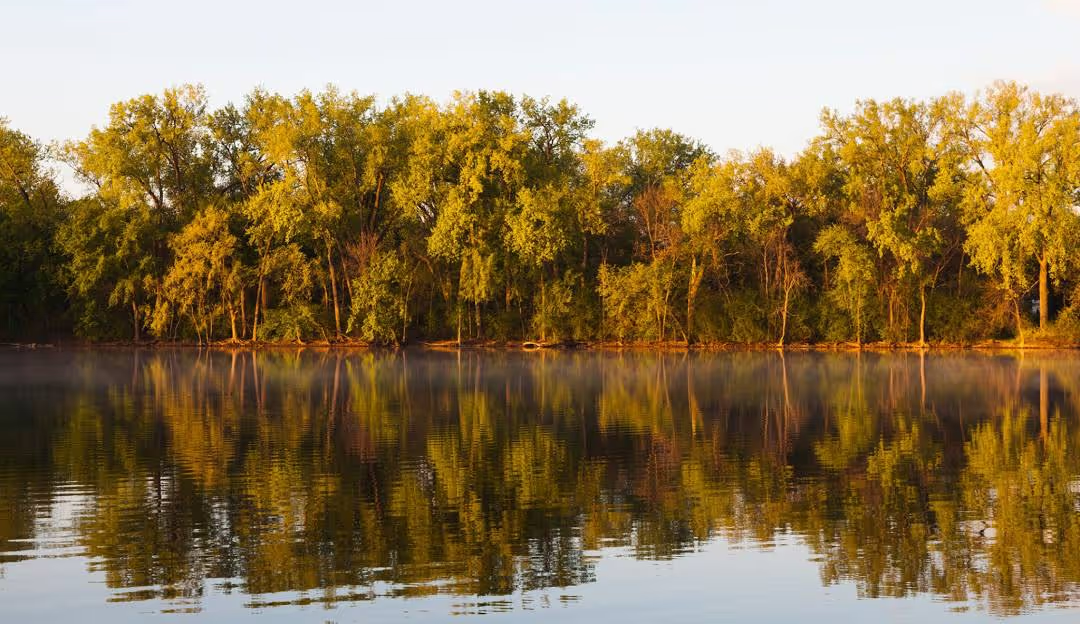
About 12,000 years ago, retreating glaciers formed the basin that became Cedar Lake. Today, hundreds of cedar trees line its shores, giving the lake its name (Thuja occidentalis). Long before a park system existed, Dakota people moved through and understood this land.
In the 19th century, rail lines crossed here, linking Minneapolis westward across the continent. The southern and western lands surrounding Cedar Lake became part of the Minneapolis park system in the 1880s. The north and northeastern lands were added in the 1990s, when civic activists saved former rail yards from private development and secured them as public parkland.
For generations, people have recognized the uncommon experience this landscape offers — quiet and open water within the heart of the city.
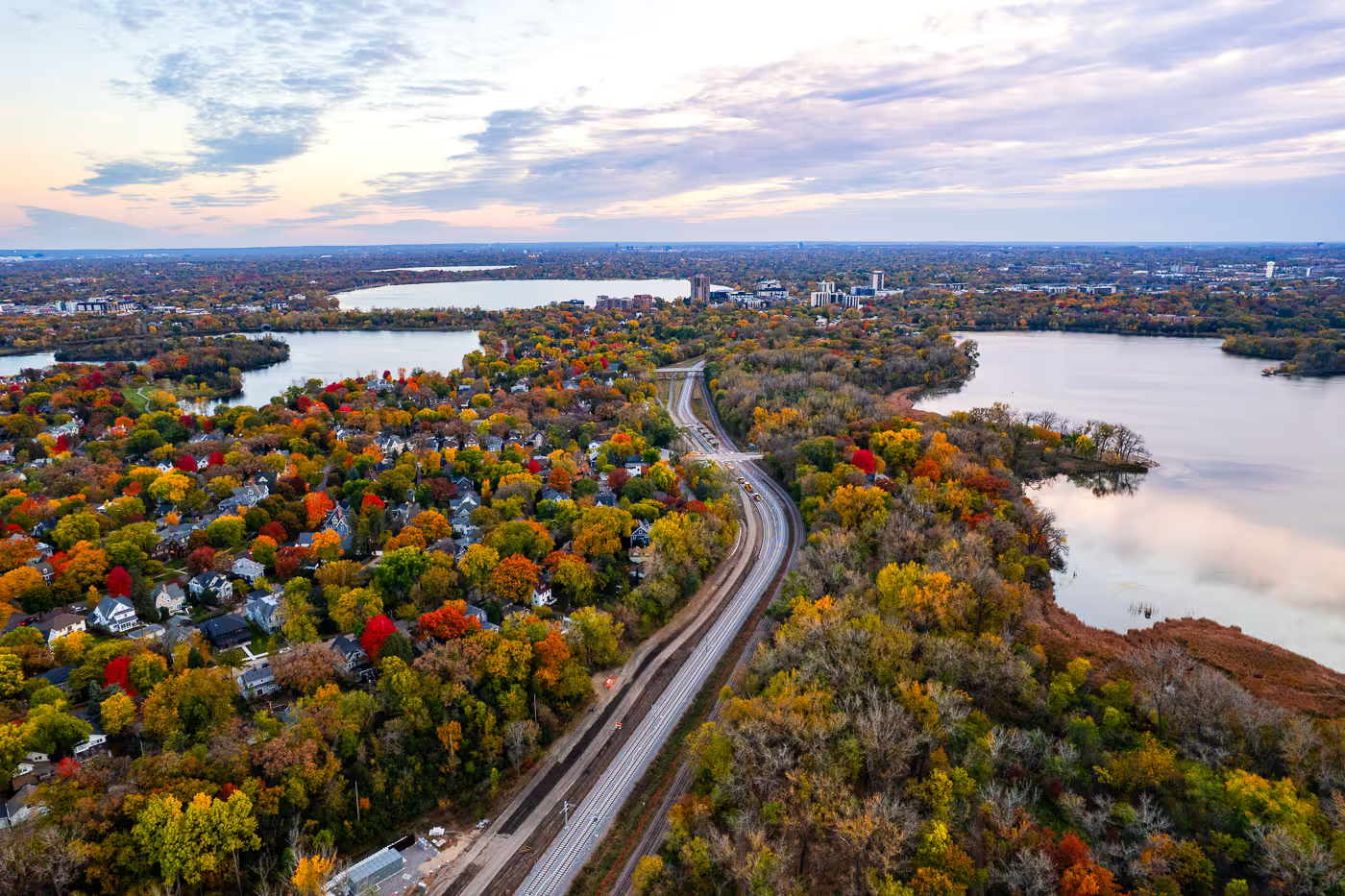
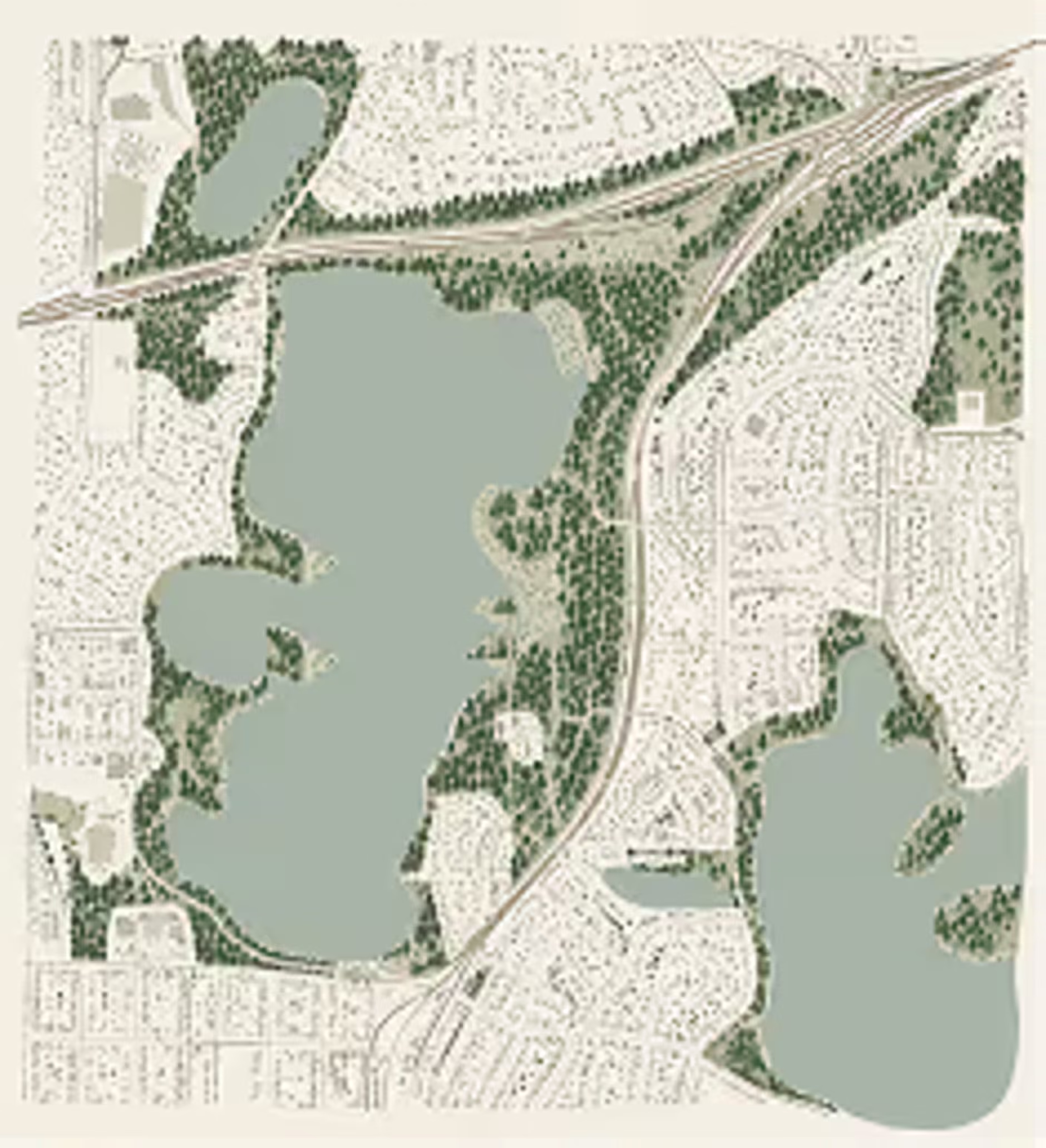
Cedar Lake Park as we know it today.
Cedar Lake Park surrounds and embraces Cedar Lake with public space and life. The lake is the center of this landscape. Protecting the land that surrounds it protects the water itself.
The park exists as it does today because of civic activism. In the 1980s, the railroad prepared to sell this land, and it was nearly sold for private residential development. Community members organized to save it as a park for all. Through Save Cedar Lake Park — and what would become the Cedar Lake Park Association — they raised funds and worked with public partners to secure it as parkland.
That civic action makes this place unique in Minneapolis. Protection here did not happen by default. It happened because residents chose it and worked to secure it.
What you experience today — prairie, woodland, shoreline, and trail — reflects three forces:

Time
Twelve thousand years of glacial, ecological, and human history.

People secured this land
Civic activism made this place public — neighbors organizing to protect what could have been lost.
People will shape what comes next
Stewardship is ongoing. The work is shared, and the future is collective.
The park is protected, but it is not finished.
Continued care and civic commitment will determine how fully it reaches its potential.
Eleven places. One connected landscape.
That history shapes how the park is organized today — as a series of distinct places connected by landform, trail, and water.
Ways to connect, every season.
Experiences shaped by place, season, and care.


Biking Around the Park
Perimeter routes that connect to the regional trail system while protecting interior natural areas.
Read more →




Sauna & Cold-Water Dipping
Seasonal immersion grounded in resilience and respect for the elements.
Read more →
Nature-Based Wellness
Gatherings and programs centered on restoration through connection with land and water.
Read more →
Being & Hanging Out
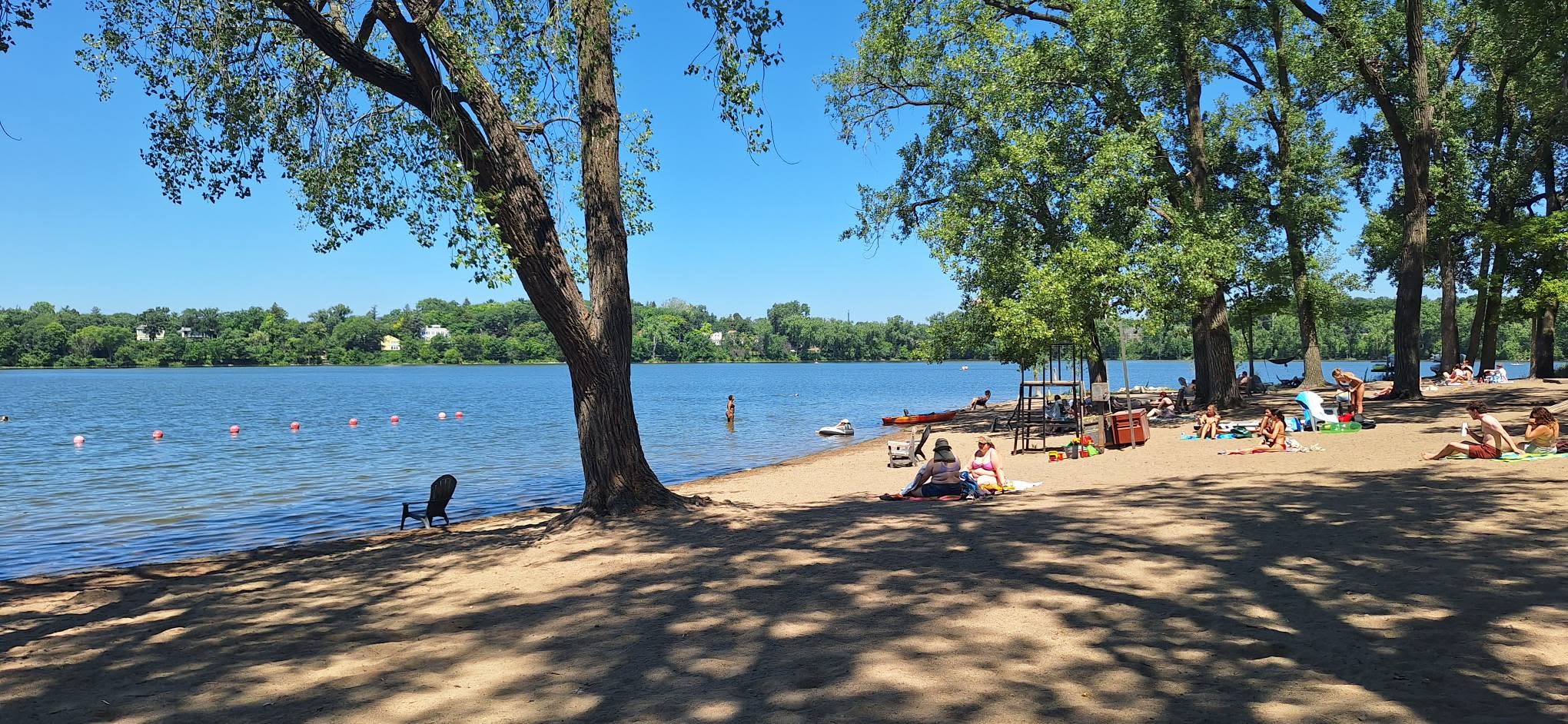
Quiet time with the place — sitting, gathering, watching the seasons turn.
Read more →
.avif)
Care is what keeps this place alive.
The experience of Cedar Lake Park depends on work that is often unseen — restoring native habitat, managing invasive species, maintaining trails, and monitoring ecological health.
The civic action that protected this land continues today through hands-on care and long-term commitment. Each year, volunteers dedicate thousands of hours to stewardship around Cedar Lake Park through the Cedar Lake Park Association.
Things to notice.
Cedar Lake rewards a closer look. Tick off what you spot as you wander — your list saves as you go, and follows you to the full field guide.
Explore the Park